Online preschool: Is it right for your child?
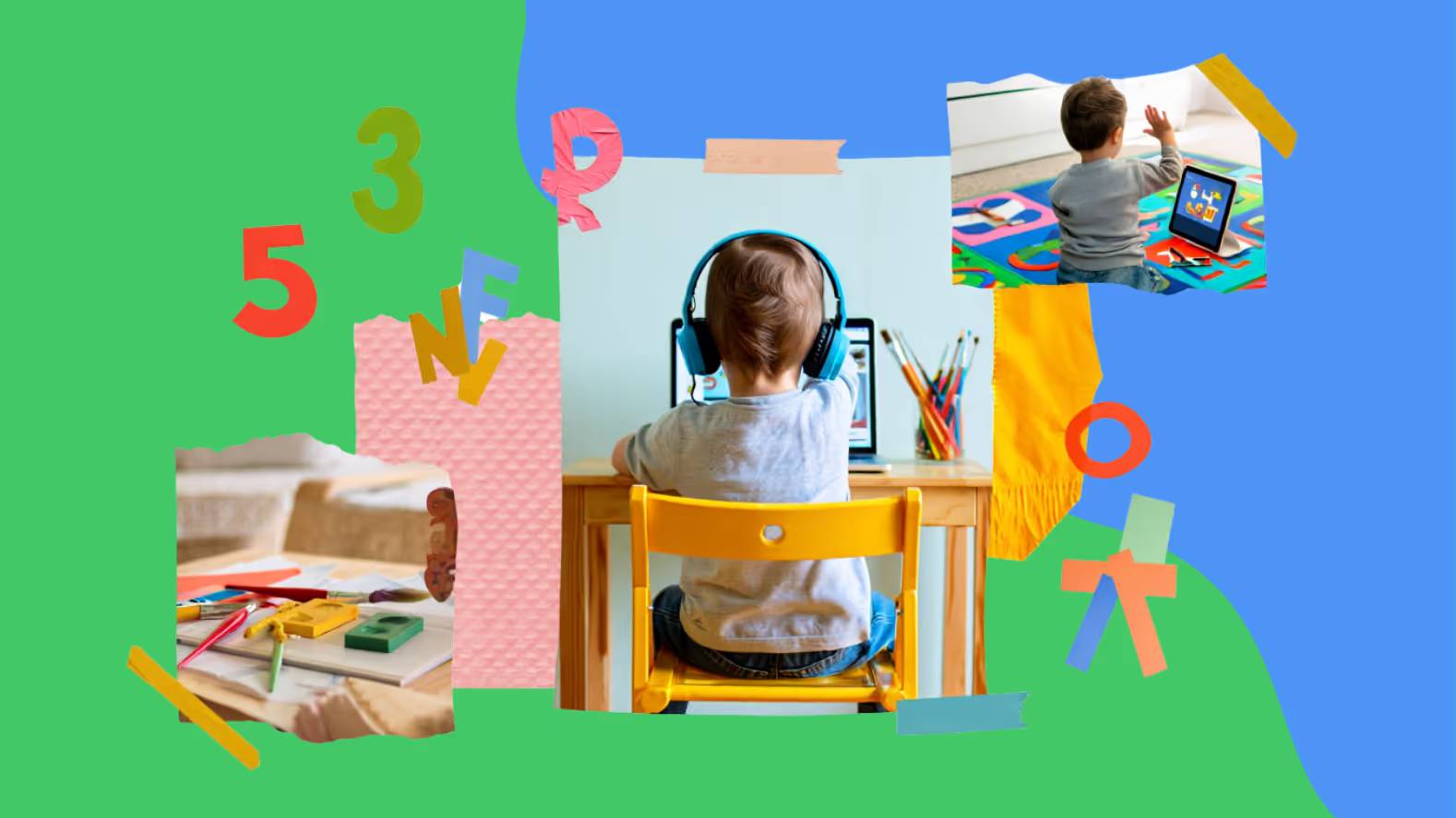
An online preschool that actually teaches kids, prepares them for kindergarten, and launches a lifelong love of learning? A few years ago, any parent would have told you that’s a pipe dream. Now? It’s a legit option for many families.
Whether your family travels or you have a kiddo who thrives at home, this article walks you through the upsides and downsides of virtual preschool — and how to know if your child is ready for it.
What is online preschool anyway?
Online preschool is exactly what it sounds like — preschool, just done from home virtually. Programs usually include live classes with real teachers, pre-recorded lessons you can watch anytime, or a mix of both. Some follow a daily schedule, while others are more flexible, letting you log in when it works for you.
Pre-k online is designed for kids ages three to five and generally covers the preschool basics: early literacy, numbers, songs, movement, and social skills. And it’s not just screen time. The best programs build in hands-on play, games, and activities that get your child thinking, moving, and interacting, just like they would in a traditional classroom. But from the comfort of your own home.
Why families choose online preschool
Online preschool might not be the traditional route, but for many modern families, it just makes sense. From different lifestyles to unique learning needs, here’s why more parents are going virtual with a pre-k online school:
- **Flexibility for real life.**Whether you're working from home, living that digital nomad life, or just juggling a lot, online preschool keeps your child learning. No matter where you are or what life throws at you.
- A gentler start to school. Some kids need a softer landing into structured learning, especially if they’re anxious, sensitive, or neurodivergent. Online preschool offers a safe space to learn without the classroom chaos.
- It’s a smart way to ease into school. If your little one isn’t quite ready for full-time, in-person school, online preschool provides structure, social time, and school readiness, without the pressure of jumping in too fast.
Pros of online preschool
- Real structure, less stress. Preschool online shouldn’t mean DIY homeschooling or expecting your kiddo to learn alone. The best online pre-k schools, like bina, have full-time, live classes led by certified teachers. Your child gets a proper preschool experience, and you get to breathe (or answer that email in peace).
- A better fit for families who don’t fit the mold. If local school options feel too rigid, not inclusive enough, or just not the right vibe, online preschool can offer something more aligned with your values and your child’s needs.
- Built to fit your kid. Online preschool lets you ditch the one-size-fits-all model. Programs like bina keep things small, flexible, and tailored, so your child can learn in a way that works for them.
- More support, fewer distractions. If your child thrives with extra attention or a quieter environment, an online preschool with small classes (bina has just six kids per class) offers space to focus and grow.
- Parents win, too. No commute. No scrambling to pack a lunch. Fewer morning meltdowns. Plus, you’ll still get progress updates so you know exactly how your child is growing.
- Global access, no matter your zip code. For expats, rural families, or anyone living off the beaten path, online preschool offers world-class learning that travels with you.
Cons of online preschool
As great as online preschool can be, it’s not all rainbows and finger paint. There are a few trade-offs to consider:
- You’re still part of the setup crew. Especially at first, your kiddo may need help logging in, muting, unmuting, and not turning their camera into a close-up of their nostrils.
- Less playground time. While some online programs build in social moments, it’s not always the same as running wild with a pack of preschoolers. That said, schools like bina make connection a priority, with live classes, interactive projects, and plenty of time for kids to engage with teachers and each other.
- Some kids need to move a lot. If your child learns best while upside down on the couch or building forts out of couch cushions, sitting through online lessons might be a stretch.
The good news is that programs like bina get it. With built-in movement breaks, kids aren’t just allowed to wiggle — they’re encouraged to. Whether it’s dancing, going on a scavenger hunt, or jumping into a hands-on project, movement is part of the plan.
- Hello, screen fatigue. More screen time can be a downside, especially if your little one is already glued to a tablet for Paw Patrol marathons. But programs like bina keep things balanced with off-screen activities, hands-on projects, and movement breaks to give little eyes (and bodies) a breather.
- Quality can vary. Some programs go all in, and others barely show up. Some are rich, interactive, and engaging… others, not so much. (Pro tip: look at the class size, schedule, and teacher involvement before committing.)
Signs your child might benefit from online preschool
Not every preschooler is ready to dive headfirst into circle time and cubby chaos. But that doesn’t mean they’re not ready to learn. If any of these sound familiar, your child might thrive in an online pre-k setting:
They love learning — just not in big groups
If your child is full of questions, loves books, and can’t get enough of building or pretend play, they may be ready for more structured learning. But if a crowded classroom leaves them clinging to your leg? A smaller, calmer online space could be just the thing.
They already follow a simple routine
A preschooler who’s used to the rhythm of breakfast, play, snack, nap is often ready to plug into short blocks of guided learning. Online preschool builds on that structure, without flipping their whole day upside down.
They need extra emotional or sensory support
Some kids do best when things feel calm and predictable. If your child is easily overwhelmed by noise, transitions, or new settings, learning from home can be a gentler, more supportive start.
They’re all about stories, songs, and screen-time fun
Does your little one sing along to everything, beg for just one more book, or love a good learning app? If they’re already drawn to interactive, playful content, online preschool might feel like a natural next step.
They want to be like their older siblings
If your preschooler watches their older sibling in a virtual class and wants to log in, too, take it as a sign. Online preschool gives them their own space to learn, with lessons designed just for their age and stage.
What to look for in a great online preschool
If you’re thinking about online preschool, there are a few things that really matter — especially when your child is just starting their learning journey. Here’s what to look for in a great program, and how we approach early learning at bina.
Live teacher interaction
Preschoolers thrive on real-time connection. Live classes give them space to ask questions, build confidence, and feel seen.
At bina, school is live, full-day, five days a week. Our teachers are there not just to teach, but to connect, building relationships that help each child feel safe and supported.
A play-based, engaging format
The best learning at this age looks a lot like play. Singing, building, dancing, imagining — it’s all part of the process.
We design our days around big, exciting themes (like rainforests or deserts) that bring learning to life. Every subject, from math to music, connects back to that theme, keeping kids curious, engaged, and having fun.
Small class sizes
Young kids need space to express themselves and time with teachers who really know them.
That’s why our preschool classes are capped at just six students. It keeps things calm and cozy, and it means we can truly get to know every child: what sparks their interest, where they need support, and how they grow best.
Clear communication with parents
You shouldn’t be left guessing what your child is learning or how they’re doing.
At bina, we keep families in the loop with regular updates and thoughtful, quarterly progress reports. And if you ever have questions or need support, our Learning Success team is just a message away.
Social-emotional learning woven in
It’s not just about ABCs, but about helping kids become kind, confident humans.
We weave social-emotional learning into every part of the day. Whether it’s taking turns in group activities or talking about big feelings, our learners get daily opportunities to practice the skills that help them thrive, in and out of the classroom.
Preschool that fits your life (and your kiddo)
Online preschool isn’t better or worse than in-person. It’s just different. And for some families, what’s unique about online preschool is exactly what they’re looking for.
If your child is eager to learn but not quite ready for a classroom, or if your schedule, location, or comfort level makes staying home the best option, an online program could be a great fit.
The goal isn’t to mimic traditional preschool. It’s to find what works right now for your child, in your context. bina is designed specifically for ages 4 to 15 with live, small-group classes. It’s real learning, led by real teachers, in a way that feels right for your little one.
Accredited, full-time school for grades K-12
Bring the best of the classroom to your home
See if we're a fit
More to read
Alternative school program options for every kind of learner
Explore alternative school programs like Montessori, Waldorf, online schools, and more. Find the right fit for your child’s needs and learning style.

Picking a homeschool online reading program for your child
Learn how to choose the best online homeschool reading program, with popular options, common pitfalls, and a look at bina’s unique approach.
What is an online alternative school, and is it right for your child?
Wondering if an online alternative school is right for your child? Explore types, benefits, and real examples for kids who need a different way to learn.