How using all 8 learning styles keeps kids engaged
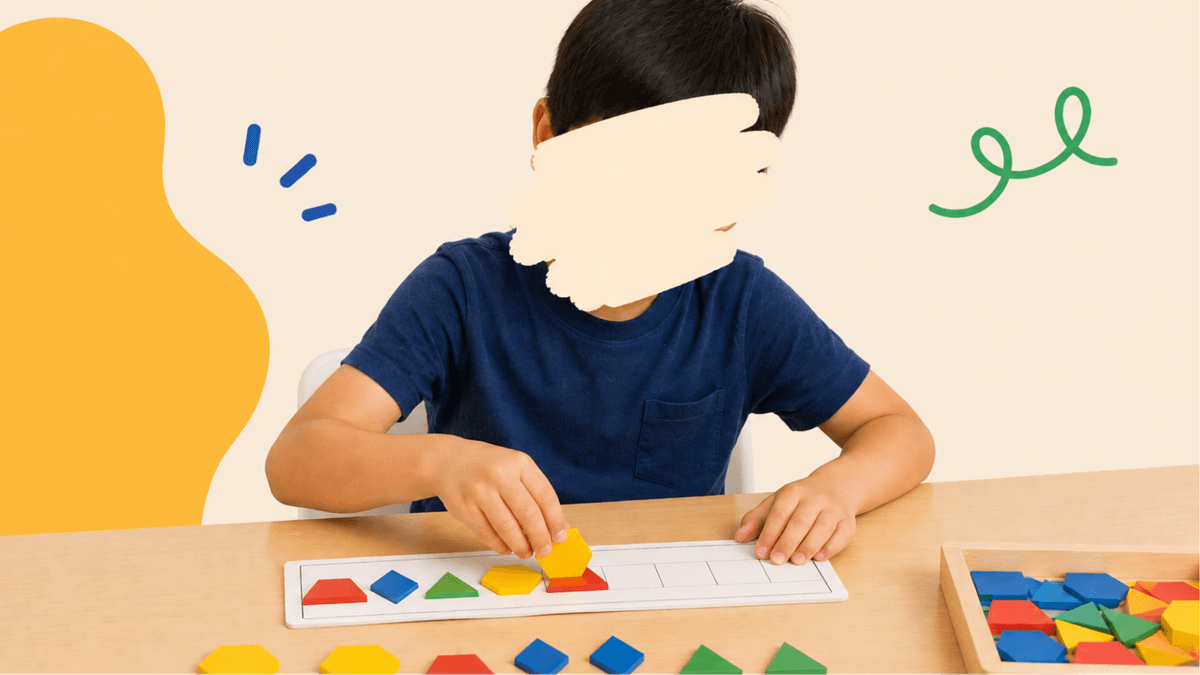

Some kids think school is boring. Others get excited talking about all the cool things they did in school that day. You can probably guess which kiddos are likely to develop a lifelong love for learning.
The engaged learners are the ones who absorb information, follow their curiosity, build resilience, and exercise their imagination in pretty much every lesson. So, how do educators keep kids this engaged?
Good teachers have plenty of tricks up their sleeves, but using different learning styles is one of the most powerful. Learning styles describe the instinctive ways a person interacts with new knowledge. Some kids need to write it down before it sticks, while others will make up a song to remember the concept. Knowing what the main 8 learning styles are can help you support your kiddo on their educational journey. Read on to find out how each one works and different ways to incorporate the 8 learning styles into your child’s daily rhythm.
Key takeaways
- Kids benefit from multidisciplinary learning as it lets them engage with knowledge in new ways.
- While there are different views on which learning style categories are most important, using the main 8 learning styles gives students broad exposure.
- Visual, auditory, kinesthetic, reading, social, solitary, logical, and holistic are the 8 learning styles.
- At bina, our teachers go out of their way to incorporate multiple learning styles in their classes to help kiddos stay engaged in the lesson and stress-free when faced with big ideas. Start your bina journey today to learn more.
What are learning styles?
Learning styles describe ways of engaging with a subject or new concept. Using more than one style lets teachers understand what feels most natural for each student. You can think of them as the keys that unlock learning because uncovering kiddos’ preferred ways to interact with lessons reveals how kids learn best.
Knowing and using learning preferences can help keep your kids interested in school. In the long run, the idea is to make learning seem fun and feel natural so that kids feel confident and excited to keep learning as they get older.
While there isn’t one universally agreed-upon list of learning styles, there are several that most lists include. Here are the 8 learning styles you’ll come across most frequently:
1. Visual learning style: pictures, diagrams, and practical demonstrations
Children with a visual learning style want to see things in front of them before they fully digest the information. They’re the type to fiercely observe the world around them and copy what they see.
Most visual learners enjoy static visual aids like charts, maps, diagrams, and graphs. These are often helpful for understanding the relationship between different concepts. A flow chart is incredibly helpful when describing a process because the learner can see each step in relation to the others, for example.
Some visual learners thrive when interacting with videos or watching the process they’re learning about. They’ll build an instinctual understanding of the water cycle by watching water evaporate off a driveway on a sunny day, or learn how to operate an oven by watching you turn the knobs and dials.
bina teachers help visual learners stay engaged in the following ways:
- Designing colorful, engaging visual aids for the kiddos to follow throughout each lesson.
- Guiding learners through multimedia projects that give them opportunities to create their own visual aids, including infographics, digital slideshows, stop motion videos, and labelled diagrams.
2. Auditory learning style: speaking, hearing, and singing songs
Kiddos who prefer an auditory learning style want to hear a concept before it sticks, whether they read aloud to themselves, hear someone else explain the concept, or write themselves a song about what they’re learning.
Auditory learners really enjoy mnemonics and memory tricks. Some popular ones include using the acronym PEDMAS to remember the order of operations in math, and the acrostic (a sentence made from the first letters of an ordered list) to remember the order of the planets, including Pluto: My Very Elegant Mother Just Served Us Nine Pizzas.
bina classes use auditory communication every day, giving auditory learners the input they enjoy as they explore new topics or dive deeper into existing knowledge. bina encourages auditory learning in these ways:
- We use music to share learning progress. Some school projects involve the kiddos composing their own soundtracks to show an emotional journey, or creating music that incorporates rhythms and melodies from different cultures around the world.
- Teachers at bina also welcome open conversations to build communication skills. Kids can talk through the things they don’t yet understand, letting the educators identify and fill in any gaps.
3. Kinesthetic learning style: touching, moving, and experiencing
Kids who enjoy the kinesthetic learning style are all about tactile experiences. They love moving, feeling, touching, manipulating materials, and any other hands-on activity where they can immerse themselves.
These kids often prefer experiential learning. They're the type to learn the rules of a board game by diving headfirst into the gameplay, rather than carefully sifting through the instructions before the first round. They often love physical performances like dancing, acting, and sports. Their interests aren’t limited to big movements, though; these learners often thrive in arts and crafts spaces, too.
Of all the 8 types of learning styles, this is often described as the trickiest learning style to accommodate in virtual settings, but we haven’t let that stop us. bina uses play-based learning to keep young kinesthetic learners engaged and offers interactive learning experiences to motivate slightly older kinesthetic students.
- While working through their online platform, bina teachers frequently give their learners the chance to stand up, dance, and move their bodies to release stored energy and help their minds focus.
- The bina learning platform includes learning games. We also use drag-and-drop activities to keep kiddos actively involved in the lesson.
- Kiddos work on multimedia projects to consolidate all their learning, for example, they might use sculpting work to create dioramas or physical visual aids like posters.
4. Reading learning style: writing and text-based activities
Kiddos with the reading learning style thrive when they get to work with words. Reading helps them process new information smoothly, while writing gives them a chance to put their knowledge to the test. This style is often similar to an information-first method of understanding.
The written word is a powerful tool for these learners, giving them time to process and ingest the information they’re reading about. They enjoy all manner of reading and writing, including text-heavy infographics, books, articles, blogs, and poetry.
At bina, our learners interact with words every single day, with activities like creative and persuasive writing being used to help learners communicate all the things they’re learning. Our kids also get to:
- Write poetry that describes what it would be like to experience life in different circumstances, or shares their feelings and hopes.
- Write creative narrative-driven tales about imaginary worlds or real-life scientific discoveries.
5. Social learning style: group-based, interpersonal, and interactive
Kiddos with the social learning style absolutely love learning as a group. They enjoy the collaborative aspect of group work and thrive when given the chance to debate and hear other people’s points of view. These learners thrive in spaces that prioritize social-emotional learning. They’re typically open to personalized feedback because they get to work together with their teacher to unlock understanding.
These kids, sometimes called social/linguistic learners, often also use the auditory learning style because it’s very conversation-based. That being said, some social learners will still prefer written communication when collaborating because it gives them the chance to organize their thoughts before sharing their input.
These learners often enjoy activities like debating or drama, and will frequently seek out one-on-one chats with the teacher and group discussions with the entire class.
It might seem like these learners would struggle to self-motivate or stay focused when doing individual work, but it’s important to remember that learning styles describe a positive preference, not limitations and boxes. Social learners are absolutely able to engage with individual work; they just love collaboration.
6. Solitary learning style: independent, self-guided, and intrapersonal
Learners with the solitary learning style have rich internal worlds — you can frequently find them lost in thought, daydreaming, or pondering the things they’ve learned. They’re happy to work through problems on their own, reflect on a reading passage, and do independent studying and research for a project.
Solitary learners often have a “thinking phase” when learning something new, when they need to sort out their ideas in their heads before diving into action. It’s important not to mistake this phase of their process as procrastination!
Those who enjoy solitary learning can find group work overwhelming, but they thrive when given a distinct role within the group.
bina teachers encourage a healthy balance between social and solitary learning preferences. We typically give kiddos a chance to reflect and think on their own before sharing within groups. Our personalized approach to learning allows children to set the pace of their discoveries and guide the direction of their focus, something that solitary learners adore. The goal is to foster curiosity that fuels self-guided research, building a lifelong love of learning and the skill of curiosity.
7. Logical learning style: analytical and pattern-based
Kids who prefer logical learning like having a theoretical understanding of something before being asked to apply their knowledge. Their learning typically flows from one step to the next, guided by sequential processing, procedure, and problem-solving instincts.
These learners enjoy interacting with stories, statistics, flow diagrams, puzzles, riddles, and activities with step-by-step instructions.
This is another learning style where bina’s approach plays a big role in allowing kids to have control over their experience. These analytical learners will naturally use logic to guide their curiosity and focus as we explore themed biomes in each of our classes.
8. Holistic learning style: big picture understanding
Kids with the holistic learning style want (and sometimes need) to see the big picture before the details make sense or feel important enough to care about. They enjoy finding the connections between topics and seeing how the pieces of the puzzle fit together. Things like mind maps are helpful for holistic learners to visualize the relationship between ideas, giving them context and purpose.
These learners are pragmatic and want to understand why knowledge is useful. Before caring about a new topic, they’ll want to understand how it relates to real-world scenarios they interact with on a day-to-day basis.
bina uses biomes and project-based learning to give kids the context they need to care about a new subject. A biome is made up of multiple lessons that are structured to follow a biome theme for four to six weeks, giving kiddos a chance to fully immerse themselves in understanding how different topics interact. This structure is ideal for a holistic learner who needs context and connection before they understand or care.
How bina incorporates all 8 learning styles into the classroom
At bina, our goal is to foster a deep love of learning in each of our kiddos, which is why our teachers take a multidisciplinary approach. We also use precision education, so we’re already focused on getting to know our kiddos and understanding what lights them up and where they need more support.
We don’t categorize kids into learning styles. Rather, we use different ways of learning so our kiddos stay curious and learn more deeply than they would with just one approach.
If you’re interested in a school where your child’s unique learning preferences and interests are not only considered but actually celebrated, connect with us today and see if we’re a good fit.
Frequently asked questions
What are the 8 learning styles?
There are many lists of learning styles, including the VARK model created by Neil Fleming and the multiple intelligences theory developed by Howard Gardner. The most common 8 styles include: visual, auditory, reading/writing, kinesthetic, logical, solitary, social, and holistic.
Does everyone have one learning style?
Most people have what is known as a multimodal or blended learning style, which uses several different learning styles to create a unique way of approaching new information. You might use a combination of solitary and reading learning, while your child could prefer visual and social learning.
How can I tell what my child’s learning style is?
Identifying your child’s learning style can be a great tool for helping them stay engaged with new information and motivated to learn. You can typically identify their favorite style by watching how they naturally interact with new knowledge — visual learners will watch, kinesthetic learners will get involved, reading learners will look for written instructions, and audio learners will want to talk about everything they’re learning.
Accredited, full-time school for grades K-12
Bring the best of the classroom to your home
See if we're a fit
More to read

Learning styles for kids: A practical guide for parents
Understand how your child likes to learn to keep them engaged with school. Help them become more adaptable by combining learning styles for kids.

Four strategies for boosting student engagement
Here are four key techniques we use to make sure our students are engaged and active throughout their entire day of learning with us.

Why kids need elementary school social emotional learning
Learn why elementary school social emotional learning is important and how innovative schools like bina deliver what traditional schools can’t.